
How Technology Is Changing the Casino Gaming Industry
The casino gaming industry has always been a realm of excitement, entertainment, and high stakes. Over the past few decades, however, the industry has undergone a profound transformation, largely driven by technological advancements. From the classic mechanical slot machines to modern digital gaming platforms, technology has fundamentally reshaped how casinos operate, engage players, and manage security. This evolution is not merely about convenience; it reflects a larger trend of innovation, data-driven decision-making, and immersive experiences that redefine entertainment. In today’s competitive market, casinos must embrace technology to stay relevant and meet the evolving expectations of players.
The integration of technology in casino gaming impacts every facet of the industry, from customer experience and operational efficiency to game design and regulatory compliance. Online platforms, mobile applications, virtual reality (VR), and artificial intelligence (AI) are no longer futuristic concepts but active tools shaping the gaming landscape. These innovations offer players unprecedented accessibility and personalization while enabling operators to optimize their operations and enhance security measures. Understanding how technology is transforming the
casino industry is crucial for stakeholders, from operators to regulators and players, as it highlights both opportunities and challenges in a rapidly evolving market.
Digital Transformation in Casinos
Online Gaming Platforms
The rise of online casinos has been one of the most significant technological shifts in the industry. Players no longer need to visit physical locations to enjoy a variety of games; they can access slots, poker, and roulette from the comfort of their homes. Advanced web technologies, secure payment gateways, and user-friendly interfaces make online gaming seamless and convenient. Real-world examples, such as the expansion of online poker tournaments and live dealer streaming, illustrate how digital platforms bridge the gap between virtual and physical experiences.
Mobile Gaming Accessibility
Mobile technology has further accelerated this trend. Smartphones and tablets allow players to access games anytime, anywhere, increasing engagement and retention rates. Mobile optimization, push notifications, and geo-targeted promotions provide personalized experiences that traditional casinos struggle to match. Operators can analyze player behavior on mobile platforms, tailoring promotions and incentives to maximize user satisfaction and profitability.
Real-World Scenario: Hybrid Experiences
Some casinos have adopted hybrid models, offering physical and digital gaming experiences simultaneously. For instance, live streaming of in-house poker tournaments allows remote players to participate virtually while maintaining the social atmosphere of a traditional casino. This approach not only expands market reach but also demonstrates the strategic advantage of integrating technology into operational models.
Artificial Intelligence and Data Analytics
Personalized Player Experiences
AI-powered algorithms analyze player behavior to provide personalized gaming experiences. By understanding preferences, spending patterns, and game choices, casinos can tailor offers, bonuses, and recommendations for individual players. This enhances user satisfaction while increasing revenue through targeted engagement.
Fraud Detection and Security
Data analytics and AI also strengthen casino security. Sophisticated systems detect irregular betting patterns, potential fraud, or problem gambling behaviors in real-time. AI-powered monitoring enables casinos to act proactively, minimizing risks and maintaining regulatory compliance.
Operational Optimization
Beyond customer engagement and security, AI helps optimize internal operations. Predictive analytics inform staffing needs, game allocation, and inventory management. Casinos can forecast busy periods, optimize table placements, and improve resource allocation, reducing operational inefficiencies and enhancing profitability.
Best Practices
To maximize AI benefits, casinos should integrate ethical data practices, maintain transparency with players, and invest in skilled analysts capable of interpreting insights. Combining human judgment with AI intelligence ensures both regulatory compliance and an exceptional player experience.
Virtual Reality (VR) and Augmented Reality (AR) Experiences
Immersive Gaming Environments
VR technology is redefining the traditional casino experience by offering immersive, 3D environments where players can interact with games and other participants virtually. VR casinos replicate the ambiance of physical casinos, complete with realistic table settings, dealers, and social interactions, enhancing player engagement.
AR Enhancements
Augmented reality overlays digital elements onto physical environments, enriching player experiences in live casinos. AR can transform casino floors with interactive displays, real-time game stats, and interactive tutorials for beginners. This fusion of digital and physical elements elevates the entertainment value while making complex games more approachable.
Industry Example
Some leading casinos have implemented VR poker rooms where players worldwide can compete in a virtual tournament setting. Similarly, AR apps provide in-casino navigation, game tutorials, and promotions, ensuring visitors experience both convenience and novelty during their visit.
Challenges
While VR and AR offer significant opportunities, challenges include high development costs, hardware requirements, and user adaptation. Effective implementation requires careful planning, ensuring technology complements rather than complicates the gaming experience.
Blockchain and Cryptocurrency Integration
Secure Transactions
Blockchain technology is transforming casino payments by offering secure, transparent, and efficient transaction methods. Cryptocurrency adoption, such as Bitcoin and Ethereum, allows for instantaneous deposits and withdrawals without traditional banking constraints. Players benefit from faster transactions, lower fees, and enhanced privacy.
Provably Fair Gaming
Blockchain enables provably fair gaming, where algorithms are transparent and verifiable. Players can independently confirm game outcomes, ensuring fairness and building trust between casinos and participants. This transparency is particularly valuable for online platforms, where player skepticism is often high.
Regulatory Compliance
Blockchain can also support compliance and auditing by maintaining immutable transaction records. Casinos can demonstrate adherence to regulatory standards efficiently, reducing administrative overhead and improving accountability.
Practical Applications
Some online casinos have successfully integrated cryptocurrency payments and smart contracts to manage loyalty programs, jackpot distributions, and peer-to-peer gaming. These innovations illustrate blockchain’s potential to streamline operations and enhance trust within the industry.
Interactive and Social Gaming
Social Casino Games
The popularity of social casino games, such as multiplayer poker, bingo, and virtual slot tournaments, highlights the importance of interaction in modern gaming. Gamification elements, such as leaderboards, achievements, and rewards, enhance engagement while fostering a sense of community among players.
Live Dealer Innovations
Live dealer technologies allow players to interact with professional dealers in real-time. This approach combines the convenience of online gaming with the authenticity of a physical casino. Chat functions, tipping options, and player-driven game choices create a dynamic and interactive environment that mimics real-world social interactions.
Case Study: Streaming Integration
Casinos are integrating streaming services to broadcast live tournaments, enabling remote players to participate and spectators to enjoy real-time commentary. This model increases visibility, expands the audience base, and creates a more engaging entertainment ecosystem.
Best Practices for Engagement
To succeed with interactive gaming, operators should prioritize user experience, offer tutorials for new players, and ensure platform stability. Maintaining a balance between engagement and responsible gaming practices is crucial for long-term player trust and loyalty.
Challenges and Future Considerations
Technology Adoption Hurdles
While technological advancements offer numerous benefits, casinos face adoption challenges. High implementation costs, cybersecurity risks, and staff training requirements are significant barriers. Operators must evaluate ROI carefully and plan phased technology integration to minimize disruption.
Regulatory Challenges
Emerging technologies, particularly in online gaming, VR, and blockchain, often outpace regulatory frameworks. Casinos must navigate evolving legal landscapes, ensuring compliance with data protection, anti-money laundering, and gambling laws. Engaging with regulators proactively helps mitigate legal risks and fosters industry credibility.
Balancing Tradition with Innovation
Despite technological innovations, the core appeal of casinos lies in their social and entertainment value. Operators must balance modern tech integration with the traditional casino experience, ensuring that technology enhances rather than overshadows the excitement of gaming.
Future Outlook
As technologies mature, the casino industry will likely see further integration of AI-driven personalization, immersive VR worlds, blockchain-based transparency, and interactive social gaming. Operators who adapt strategically will benefit from increased player engagement, operational efficiency, and market competitiveness.
Forward-Thinking Strategies to Maximize Technology
Employee Training and Adaptation
Successful technology integration depends on staff readiness. Continuous training programs ensure employees can leverage new systems effectively, maintain operational efficiency, and provide enhanced customer service. Staff familiar with AI, VR, and blockchain tools are better equipped to troubleshoot issues and guide players.
Player Education and Engagement
Educating players about new technologies, such as cryptocurrency payments or VR gaming, reduces hesitation and encourages adoption. Tutorials, demo modes, and interactive onboarding can increase user confidence, making technological transitions smoother and more enjoyable.
Strategic Partnerships
Collaborating with technology providers, software developers, and payment solutions enhances the ability to implement advanced features efficiently. Strategic partnerships reduce the burden of in-house development while ensuring access to the latest innovations and industry best practices.
Continuous Monitoring and Improvement
Regularly evaluating technology performance, analyzing user feedback, and updating systems are essential for staying competitive. Casinos that embrace continuous improvement strategies can respond to market trends, optimize experiences, and mitigate operational risks proactively.
Integrating Smart Solutions to Enhance Gaming Operations
The casino gaming industry is undergoing a profound transformation driven by technology. Digital platforms, AI, VR, AR, blockchain, and interactive social gaming are reshaping player experiences, operational strategies, and security protocols. These advancements enhance accessibility, personalization, and engagement while offering opportunities for operational optimization and transparency. However, casinos must carefully balance innovation with tradition, ensuring that technology complements rather than replaces the social and entertainment essence of gaming. Successful integration requires strategic planning, employee training, regulatory compliance, and ongoing evaluation to maximize benefits and mitigate risks.
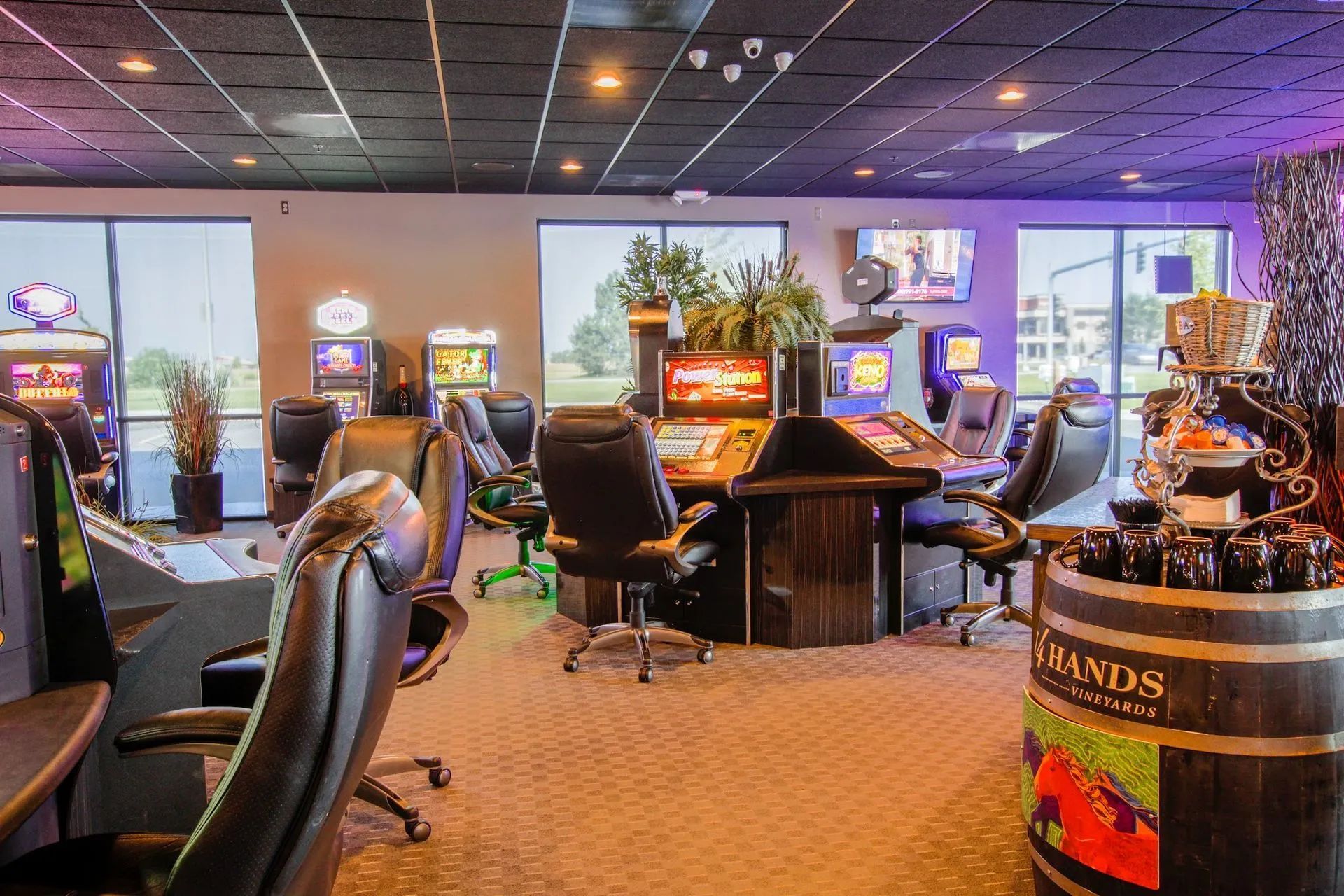
Casino 8, located in Billings, Montana, brings 11
years of industry expertise to this evolving landscape. With a commitment to integrating cutting-edge technologies while maintaining a trusted and authentic casino environment, we exemplify how experience and innovation converge. Their knowledgeable staff, modern gaming platforms, and dedication to security provide a reliable and enjoyable experience for all players. By embracing technology thoughtfully, Casino 8
continues to lead the region in quality gaming experiences, demonstrating that innovation and trust can coexist seamlessly.