
Setting a Time and Budget Before You Play? Why Regulars Swear By It
QUICKANSWER: Regulars set a time and a budget before they walk in because it turns gaming into what it is meant to be, an evening of entertainment with a clear beginning and end. Decide how long you want to stay and how much you are comfortable spending on the night, treat that amount as the price of the fun, and leave when either one runs out. Write it down, tell a friend, and keep the rest of the evening for food, conversation, and company.
It is Friday afternoon in Billings, the work week is finally behind you, and a friend texts to ask whether you want to head out tonight. You say yes before you have thought about what the evening looks like. Somewhere between finding your keys and pulling into the parking lot, you realize you have not decided how long you plan to stay or how much you want to spend.
That small gap is where most uncomfortable nights begin. Nothing dramatic has to happen. Time simply slips by, a second round becomes a third, and the plan you never made gets made for you by the moment. The people who seem to enjoy these nights most, the regulars who show up month after month and always leave in a good mood, almost all share one habit. They decide before they arrive.
This guide walks through that habit in plain terms. You will see why it works, how to set your own limits without making the night feel like homework, and how to build an evening where gaming is one pleasant piece of a bigger outing.
Why Regulars Make the Plan Before They Walk In
Think about how you handle other kinds of entertainment. When you buy tickets to a concert, you know the price, the start time, and roughly when you will be home. A round of golf has a tee time and eighteen holes. A movie ends when the credits roll. Gaming is different because nothing about it ends on its own. The machines and tables will happily run as long as you do.
That is exactly why the end has to come from you. Regulars understand that a decision made in a calm moment, in the car or at the kitchen table, is almost always wiser than one made halfway through the evening with a drink in your hand and a game in front of you. A plan made beforehand is a gift to your future self.
There is also a mood benefit. When you know your limits, you stop negotiating with yourself. You are not weighing whether one more round is a good idea, because the answer was settled before you sat down. That frees your attention for the parts of the night you came for, the company, the atmosphere, and the fun of playing.
Start With the Time Limit
Most people think of the money first, but time is the quieter limit and the one that gets away from people more easily. An hour can disappear in a comfortable chair with good music playing. Pick a window that fits your evening, whether that is ninety minutes after dinner or a relaxed couple of hours with friends, and hold to it.
A few simple tricks make this easier. Set a phone alarm for a few minutes before you plan to wrap up, so the end of the night does not catch you off guard. Choose a natural stopping point, such as the moment your friends finish their drinks or the time you promised the babysitter. And remember that leaving on schedule is not a loss of anything. It is how you make sure tomorrow morning feels as good as tonight did.
TIP: Tie your stopping time to something outside the venue, like an early morning, a long drive home to Laurel or Lockwood, or a ride that is already arranged. A reason that exists in the real world is much harder to talk yourself out of than a number on a clock.
Then Decide on a Budget You Are Comfortable With
The budget side of the habit is simple in principle. Before the evening begins, decide the amount you are happy to spend on entertainment tonight, the same way you would for dinner or a show. Think of it as the price of admission to a fun night out, not as an investment you expect to grow. If it all goes toward the evening and nothing comes back, you should still feel that the night was worth it.
The most useful version of this rule is to use only money set aside for fun. Rent, utilities, groceries, savings, and anything earmarked for someone else never belong in the plan. If the amount you are considering would make you uneasy to lose, it is too much, and a smaller number is the right one.
Many regulars take only that amount with them. They leave the extra cards at home, skip the cash machine on the way in, and treat the amount in their pocket as the whole evening. When it is gone, the gaming portion of the night is done, and the rest of the evening continues with food, a drink, and conversation.
What Regulars Do Differently Once They Are Inside
Setting limits is the first half. The second half is how people behave once they sit down. Longtime guests tend to share a handful of quiet habits that anyone can borrow.
They take breaks. Standing up every so often, stretching, grabbing a plate of food, or stepping outside for some fresh Montana air resets the pace of the night and gives them a chance to check in with themselves. If the break makes them realize they are ready to go home, nobody is surprised.
They never chase. If a session is not going the way they hoped, they do not raise the amount to try to get back to even. The money they set aside was spent on the evening, and that is the end of the story. Trying to win it back is the one habit that turns a fun night into a stressful one, and regulars know to steer clear of it.
They skip alcohol when it clouds their thinking. A glass of wine with dinner is part of a lovely evening. Several drinks make every decision a little looser, including the ones about time and spending. If you intend to enjoy a drink, build that into the plan and keep the limits you set earlier.
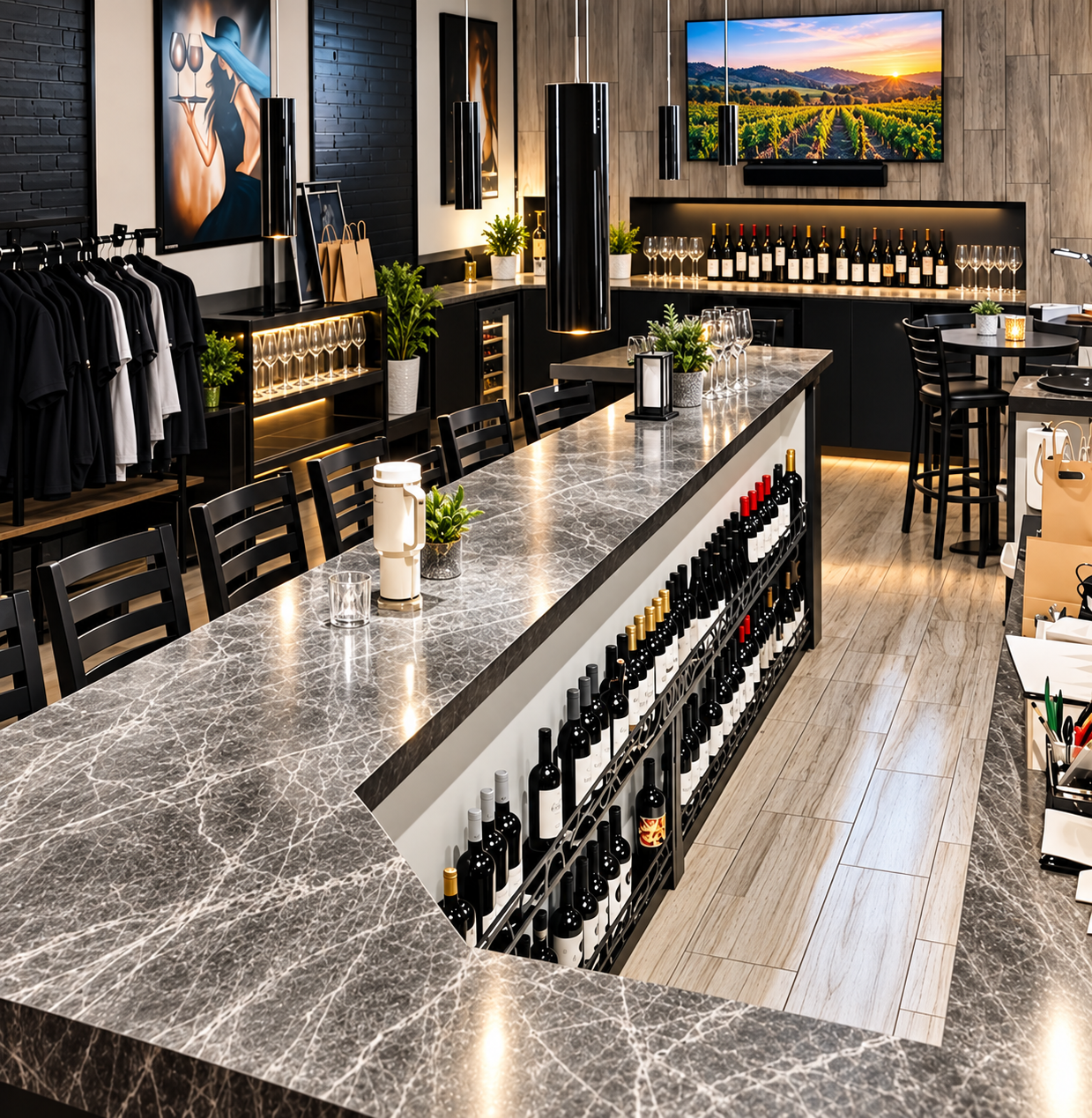
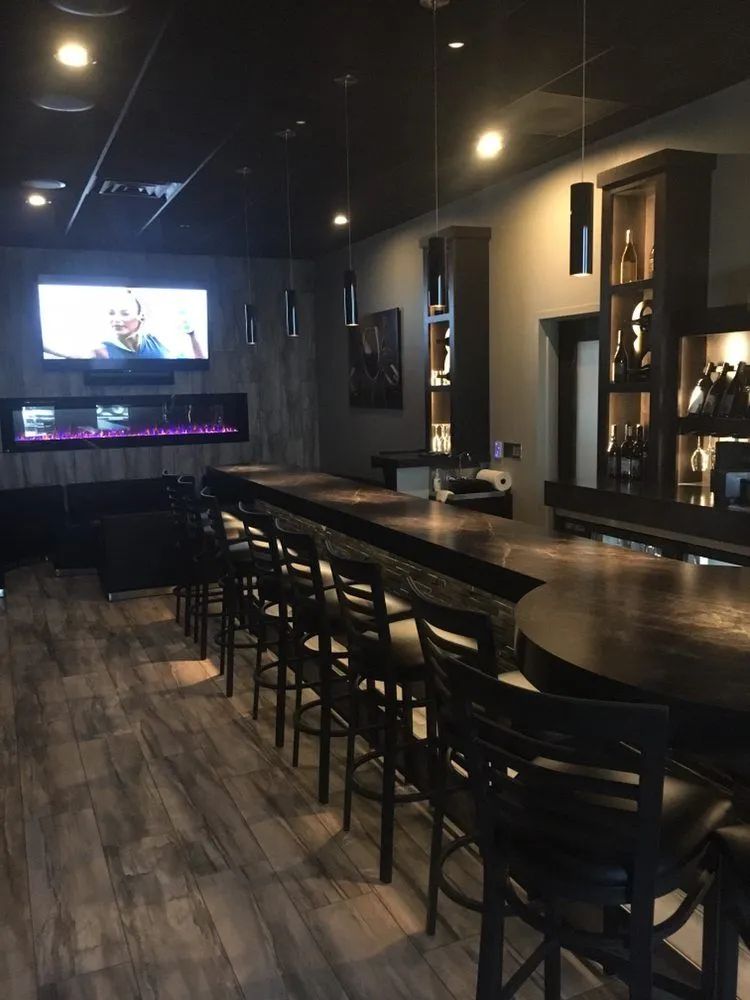
They enjoy the room. A venue with a comfortable lounge, a wine bar with a fireplace, and good food gives you plenty to do besides play. Regulars lean on those things, and they often find the best part of the evening has nothing to do with the screen in front of them.
Build a Night Out That Is About More Than Gaming
A time and budget plan works best when the evening has other things in it. If the only thing on the schedule is gaming, then stopping feels like the end of the night. If gaming is one piece of a bigger outing, then stopping simply means moving on to the next piece.
Try planning the evening in layers. Start with a meal or a shared board of something good to eat, since people who have eaten make steadier choices. Spend a portion of the night in the lounge, where you can sit, talk, and watch the room. Save a stretch near the end for a glass of wine or a cup of coffee with your group, a quiet closing chapter that does not depend on any game.
Billings makes this easy. After a long day, a relaxed place to sit with friends is exactly what many people in the Yellowstone Valley are after, and a venue that combines a lounge, a wine bar, and gaming under one roof lets you shape the night however you like. When you decide the entertainment is finished, you do not have to go anywhere else to keep the evening going.
Warning: Gaming should never be used to escape stress, fix a money problem, or lift a bad mood. If you notice yourself raising your limit, hiding how much you play, or feeling restless when you are not playing, take a break and reach out for support. Help is available through the Montana Council on Problem Gambling and the National Problem Gambling Helpline.
Make the Plan Official With a Friend
One of the strongest habits regulars have is telling someone. When you say your plan out loud, to the friend you are meeting or the partner you are texting, it stops being a private intention and becomes a small promise. Friends are good at gentle reminders, and most people are happy to be the one who says it is about time to wrap up.
If you are heading out as a group, agree on the limits together. Each person chooses a personal amount, everyone picks an ending time, and one person is named as the friendly timekeeper. Groups that do this tend to enjoy the night more, because nobody feels singled out and everyone has the same permission to leave when the plan says so.
You can also share the plan with the staff. Gaming venues in Montana are used to guests who want to play within their means, and the team can point you toward the tools and information they have available. Asking is a sign of a thoughtful guest, not a nervous one.
Know the Signs That a Plan Is Not Enough
For most people, a time and budget plan is all the protection they need. But it helps to be honest about the signs that gaming is starting to take up more space than it should. Thinking about it constantly, spending more than you intended, playing to make up for earlier results, or feeling guilty afterward are all signals worth taking seriously.
If any of those sound familiar, you are not alone, and it does not mean something is wrong with you. Montana has support available for exactly this situation. The Montana Council on Problem Gambling operates a helpline, Gamblers Anonymous holds meetings in Billings, and the National Problem Gambling Helpline offers confidential help by phone or text at any hour. Reaching out is a strong and private first step.
It is also fine to take a long break, or to skip a night out entirely. Friends who care about you will understand, and there are plenty of ways to spend an evening that do not involve a game.
Putting It All Together Before Your Next Night Out
Here is the short version of the routine regulars follow. Decide how long you want to stay. Decide the amount you are comfortable spending as the price of the entertainment. Bring only that amount. Tell a friend. Take breaks, eat something good, and stop when either limit arrives. Then enjoy the rest of the evening without a second thought.
None of it takes more than a few minutes, and none of it takes the fun out of the night. If anything, it works the other way. When the boundaries are settled, you can relax into the evening with a clear head, which is the whole point of going out in the first place.
Frequently Asked Questions
Why should I set a time and budget before I arrive instead of deciding once I am there?
Decisions made in a calm moment are usually better than ones made in the middle of the action. Setting your limits ahead of time means you are not arguing with yourself later, and it keeps the night fun and predictable.
How do I choose a budget that is right for me?
Pick an amount you would be comfortable spending on any evening of entertainment, like a dinner out or a show, using only money set aside for fun. If losing it would cause worry, choose a smaller amount.
What should I do when I reach my limit?
Stop playing and switch to the other parts of the evening. Have something to eat, enjoy a drink, talk with friends, or head home. Treat reaching the limit as the natural end of the gaming portion, not a reason to adjust the plan.
Is it okay to just visit and not play at all?
Yes. Many guests come for the lounge, the food, and the company and never touch a machine. You control how much you take part, and sitting out is always an option.
How can friends help each other stick to limits?
Share the plan out loud, agree on an ending time, and name one person as a friendly timekeeper. A gentle reminder from someone you trust works far better than trying to hold yourself back alone.
What if I think gaming is becoming a problem for me or someone I know?
Take a break and reach out for support. The Montana Council on Problem Gambling, Gamblers Anonymous groups in Billings, and the National Problem Gambling Helpline all offer confidential help.
Do age and identification rules apply?
Yes. Montana sets age limits for gaming and for alcohol, and venues check identification, so bring a valid ID whenever you plan to visit.
Settle the Plan, Then Enjoy It
A good night out starts with a plan you feel easy about, and the whole routine takes only a few minutes. Decide how long you want to stay, decide the amount you are happy to spend as the price of the entertainment, bring only that much, and tell a friend. Take breaks, eat something good, and stop when either limit arrives. None of it drains the fun from the evening. It simply hands the ending back to you instead of the moment.
With the boundaries settled, you can relax into the evening with a clear head, which is the whole point of going out in the first place. Casino 8
has welcomed guests in Billings, MT for 11
years with a
comfortable lounge and the Cellar 8 wine bar, a place where you set your own pace. A night you feel good about long after you head home is rarely luck. It usually starts with a plan made calmly before you walk through the door.